Hear From Our Clients

You stop worrying about whether the next storm is going to make things worse. Your heating system runs the way it should, without drafts pulling heat out or moisture getting in where it doesn’t belong.
When your chimney’s built right for this climate, you’re not scheduling repairs every few years. The bricks aren’t crumbling from salt air. The flashing isn’t leaking into your attic. The crown isn’t cracking every winter when water freezes and expands inside the masonry.
You get a system that handles what Long Island throws at it—coastal humidity, freeze-thaw cycles, nor’easters that test every joint and seam. That’s what a proper chimney replacement does. It removes the guesswork and gives you something that actually holds up.
Home Team Construction has spent over a decade working on chimneys across Suffolk County. We’ve seen what happens when chimneys are built with standard materials in a coastal environment—they don’t last. That’s why we use marine-grade materials and construction methods designed specifically for the conditions here in West Bay Shore.
Every crew member is licensed and insured. We live in this area, so when we rebuild your chimney, we’re building it the same way we’d build our own. You’re not getting a crew that’s here today and gone tomorrow. You’re working with people who understand that salt air isn’t just an inconvenience—it’s a factor that determines whether your chimney lasts 10 years or 40.
We don’t do high-pressure sales or bait-and-switch pricing. You get a clear estimate before any work starts, and that’s what you pay.
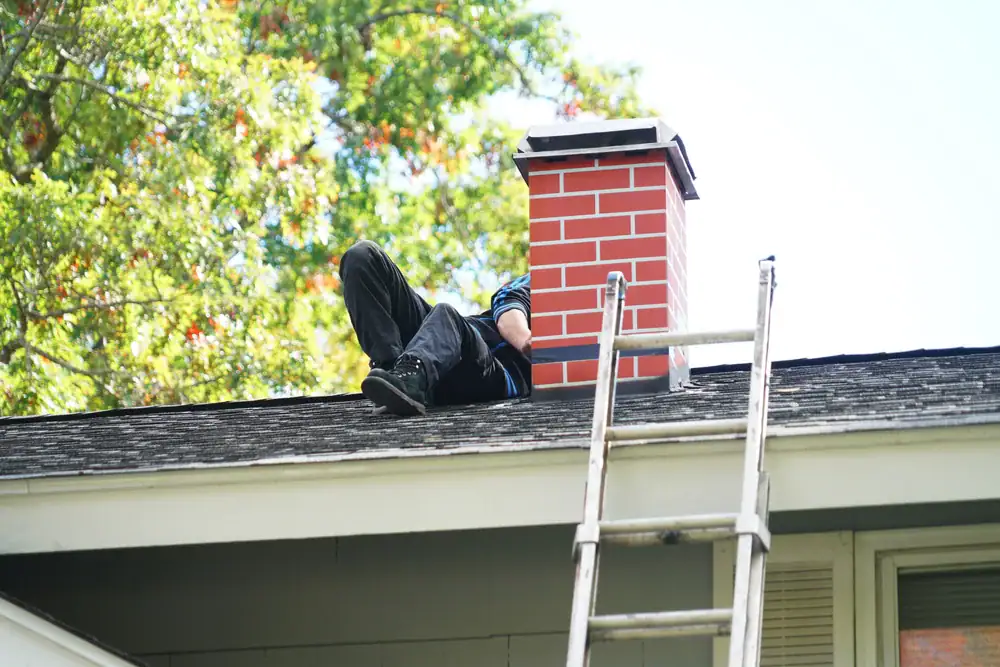
First, we come out and inspect the entire chimney structure—not just what’s visible from the ground. We’re looking at the flue liner, the masonry condition, the chimney cap, the flashing, and the crown. We’ll tell you exactly what needs to be replaced and why.
Once you approve the estimate, we schedule the work around your timeline. We protect your roof and property before we start tearing anything down. Then we remove the old chimney down to a structurally sound point—sometimes that’s below the roofline, sometimes it’s all the way to the foundation. It depends on how far the damage goes.
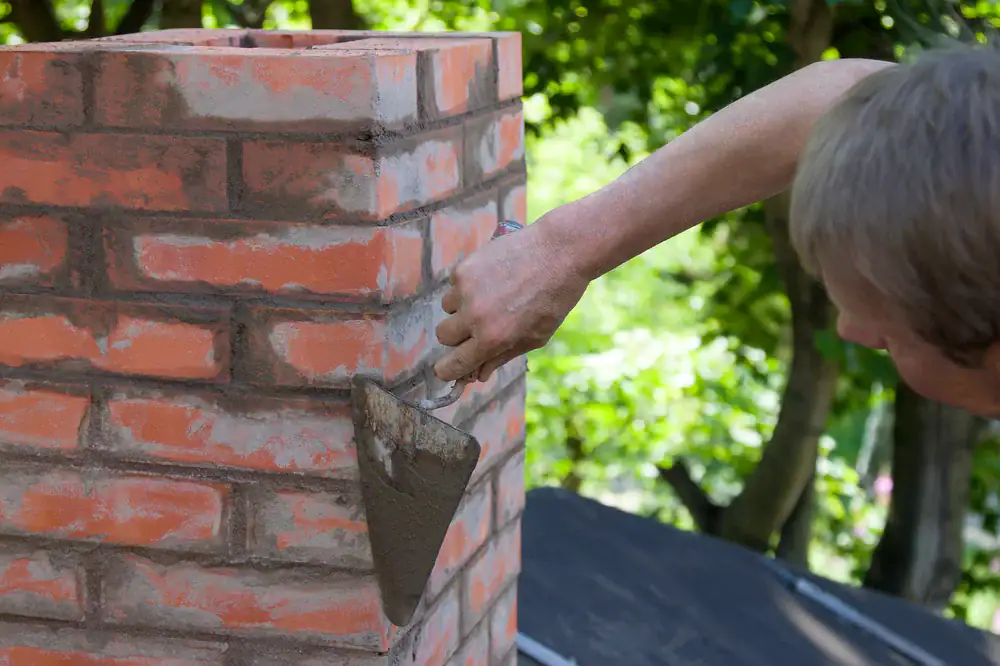
We rebuild using materials rated for coastal exposure. That means marine-grade mortar, properly sized flue liners, stainless steel chimney caps, and flashing that’s sealed to handle Long Island weather. The crown gets built with the right slope and overhang so water doesn’t pool on top.
When we’re done, we clean up completely. You’re left with a chimney that’s built to last, not just patched together until the next problem shows up.

Ready to get started?
A complete chimney replacement means we’re addressing every component that’s failing. That includes chimney stack replacement when the bricks are too far gone to repoint. It includes chimney liner replacement if the flue is cracked or undersized for your heating system. It includes chimney cap replacement with a design that keeps water, animals, and debris out while allowing proper ventilation.
We handle chimney flashing replacement because that’s where most leaks start—where the chimney meets the roof. If the flashing isn’t installed correctly with the right overlap and sealant, water gets into your home every time it rains. In West Bay Shore, where storms come off the water with wind-driven rain, flashing failure isn’t a small issue. It’s a major source of attic damage, insulation problems, and mold growth.
Chimney flue replacement is critical when the old liner has cracks or gaps. A damaged flue lets carbon monoxide and combustion gases leak into your home instead of venting outside. It also allows heat to transfer directly to combustible materials in your walls and attic. That’s a fire hazard most homeowners don’t even know they have until an inspection reveals it.
We size everything correctly for your specific heating system and build it to handle the temperature swings, moisture exposure, and salt air that define Long Island’s climate.

If you’re repairing the same issues every few years, replacement starts making more financial sense. When the masonry is spalling—meaning the brick faces are flaking off—or when the chimney is leaning, repairs won’t solve the underlying problem. Those are structural failures that only get worse.
Water damage is another indicator. If you’ve had leaks that have spread into your roofline, attic insulation, or interior walls, the chimney itself is likely compromised at multiple points. Patching one area doesn’t stop water from entering through other deteriorated sections.
Freeze-thaw damage is common in West Bay Shore because moisture gets into the masonry, freezes, expands, and cracks the bricks and mortar from the inside. Once that cycle starts, it accelerates every winter. You’ll see pieces of brick and mortar on the ground near your chimney. At that point, the structure is breaking down faster than you can repair it, and replacement becomes the only reliable solution.
Salt air is the biggest factor. Coastal winds carry salt particles that settle on your chimney and penetrate the masonry. Salt attracts moisture, and that moisture stays in the bricks and mortar longer than it would inland. Over time, this constant exposure corrodes the masonry from within.
Freeze-thaw cycles hit harder here because of the humidity. When bricks absorb moisture and temperatures drop below freezing, that water expands by about nine percent. The expansion creates internal pressure that cracks bricks and mortar joints. In drier climates, there’s less moisture to freeze, so the damage happens more slowly.
Storms are more severe and more frequent near the water. Wind-driven rain forces water into every weak point in your chimney. If the crown, cap, or flashing has even minor damage, water intrusion becomes a constant problem. Combine that with salt air and freeze-thaw cycles, and you’re looking at conditions that destroy chimneys much faster than what homeowners deal with even 20 miles inland.
Cost depends on the height of the chimney, how much needs to be rebuilt, and what materials are required. A partial rebuild—say, from the roofline up—costs less than a full tear-down to the foundation. If the chimney serves multiple flues or has complex flashing details, that adds to the scope.
Most full chimney replacements in this area run between several thousand and ten thousand dollars, depending on those factors. That might sound like a lot compared to a repair, but when you factor in the cost of repeated repairs, water damage to your home’s interior, and the risk of a chimney fire or carbon monoxide leak, replacement often saves money in the long run.
We give you an upfront estimate before any work starts. No surprises, no upselling once we’re on the roof. If you’re concerned about the cost, we offer 18-month interest-free financing so you can get the work done now and spread the payments out in a way that works for your budget.
Most chimney replacements take between three and five days, depending on the size of the chimney and the extent of the rebuild. Weather can affect the timeline—we’re not going to rebuild your chimney in the middle of a rainstorm or when temperatures are too low for mortar to cure properly.
We’ll give you a clear schedule before we start so you know what to expect. If we run into unexpected issues once we open up the structure—like hidden water damage or a compromised roof deck—we’ll walk you through what needs to be addressed and how it affects the timeline and cost.
The goal is to get the work done efficiently without cutting corners. A rushed job means problems down the road. A properly built chimney takes the time it takes, and we’d rather do it right than do it fast.
It depends on where the damage is and how far it’s spread. If the deterioration is limited to the chimney stack above the roofline and the structure below is solid, we can rebuild just that section. That’s common when the crown has failed and water damage is confined to the top portion.
If the damage extends below the roofline—into the attic or down to the lower floors—we need to remove more of the structure to get back to sound masonry. Trying to build on top of compromised bricks and mortar just means the new work will fail along with the old.
We make that determination during the inspection. We’ll show you exactly where the damage is and explain what needs to be replaced versus what can stay. The goal is to give you a chimney that’s structurally sound from top to bottom, not just cosmetically improved at the top while problems continue below.
We warranty our workmanship because we’re confident in how we build. If something fails because of how we installed it, we come back and make it right. That’s separate from manufacturer warranties on materials like chimney caps or flue liners, which typically come with their own coverage.
The specifics of the warranty depend on the scope of work, and we’ll go over that in detail before you sign anything. What matters more than the length of a warranty is whether the company is still around to honor it. We’ve been serving Suffolk County for over a decade, and we’re not going anywhere.
A properly built chimney using the right materials for this climate shouldn’t need major work for decades. That’s the standard we build to. If you’re talking to a contractor who’s offering a short warranty or being vague about what’s covered, that’s a red flag. It usually means they’re not confident the work will hold up.
Other Services we provide in West Bay Shore