Hear From Our Clients

You stop worrying every time you light a fire. The draft works right, smoke goes up instead of back into your living room, and you’re not calling someone out every other season because the liner cracked again or the cap blew off.
A full chimney replacement means starting over with materials that can handle what Holbrook throws at them. Salt air, freeze-thaw cycles, nor’easters that rip through Suffolk County every winter. The old clay liners and deteriorating masonry weren’t built for this, and patching them is just buying time you don’t have.
You get a system designed for Long Island’s coastal climate from the ground up. Modern chimney liner technology that insulates better and drafts cleaner. A crown and cap built with marine-grade materials that actually shed water instead of absorbing it. Flashing that seals tight and stays sealed. The kind of work that stops the cycle of water damage, structural problems, and safety risks that come with an aging chimney.
We’ve been handling chimney replacements and full reconstructions across Suffolk County for over a decade. Every crew member is licensed, trained, and local. That matters because we see the same weather patterns you do, and our reputation lives in the same neighborhoods where we work.
We’ve replaced chimneys on homes built in the 60s and 70s all through Holbrook, Ronkonkoma, and Farmingville. The ones where the original masonry is spalling from moisture intrusion and the liners are shot from years of salt air corrosion. We know what fails first and why, and we know which materials hold up in coastal conditions because we’ve been installing them and standing behind them for years.
You’re not getting a traveling crew or a generic approach. You’re getting contractors who understand Suffolk County building codes, pull the right permits, and use materials specifically chosen for Long Island’s climate.
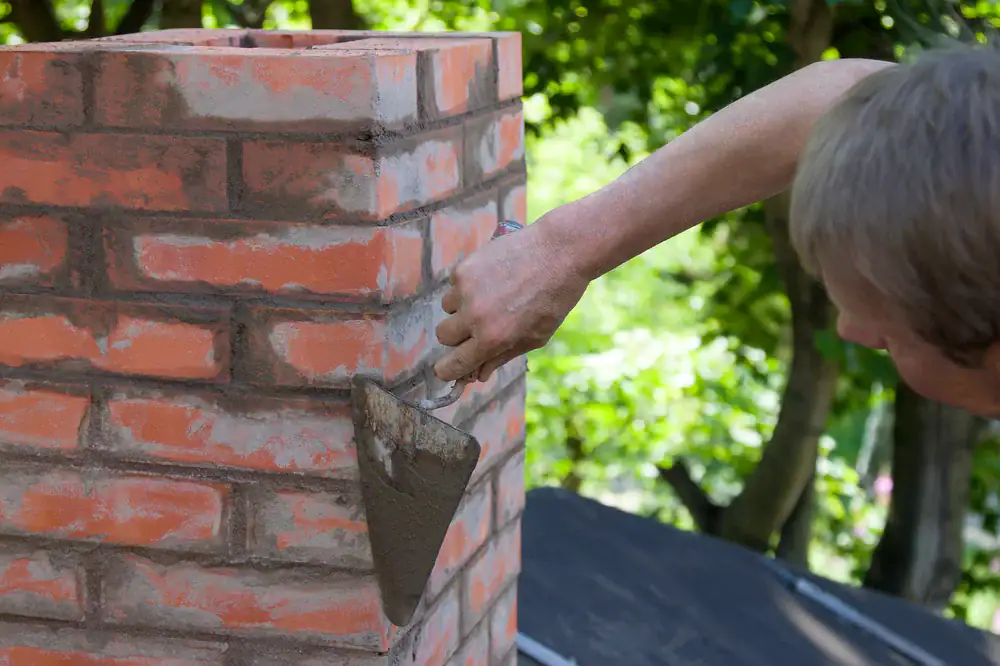
It starts with an inspection of what you’ve got. We’re looking at the liner condition, the masonry integrity, the crown, the cap, the flashing, and how everything’s held up against weather exposure. You get a clear assessment of what needs to come down and what we’re building back up.
Once you approve the estimate, we pull permits and schedule the work around weather windows that make sense. The old chimney comes down carefully—we’re not just smashing brick and hoping for the best. The structure gets rebuilt from the roofline up using materials rated for coastal environments. That means the right mortar mix for your home’s age, impact-resistant components, and a liner system that’s designed to handle Long Island winters.
The new crown gets poured to shed water away from the stack, not pool it. The cap goes on with marine-grade hardware that won’t corrode in salt air. Flashing gets sealed properly so water can’t sneak behind it. Every step is about building something that works with the climate instead of fighting it.
You’re kept in the loop the whole way. No surprises, no runaround. When we’re done, you’ve got a chimney that’s safe to use, built to last, and backed by people you can actually reach if something ever comes up.

Ready to get started?
A full chimney replacement covers everything from the roofline up. That includes complete chimney stack replacement with new masonry built to handle Suffolk County’s weather extremes. You’re getting a structure that’s plumb, properly reinforced, and built with the right materials for coastal exposure.
Chimney liner replacement is part of the package. We install modern stainless steel liner systems that insulate better than old clay tiles and resist the corrosion that salt air causes. The liner is sized correctly for your heating system and vents dangerous gases safely outside where they belong, not back into your home.
The chimney crown gets rebuilt with a proper slope and overhang to direct water away from the masonry. Chimney cap replacement includes a new cap with spark arrestor and animal guard, installed with stainless steel hardware that won’t rust out in three years. Chimney flashing replacement means new step flashing and counter flashing that’s sealed tight against your roof, preventing the water intrusion that destroys chimneys from the inside out.
In Holbrook, where homes face constant moisture from coastal weather, this complete approach is what actually works. Replacing just one component while leaving the rest to deteriorate doesn’t solve the problem. You need the whole system working together, built right from the start.

Full chimney replacement in Holbrook typically runs between $8,000 and $15,000 depending on the height of the stack, the materials you choose, and how much of the structure needs rebuilding. That’s higher than the national average because Long Island labor costs more and Suffolk County building codes are stricter, but you’re also getting work that’s designed to last in a harsh coastal climate.
If you’re comparing that to another round of repairs, consider this: most homeowners in storm-prone areas like Holbrook spend $900 to $2,500 every few years patching problems that keep coming back. After three or four repair cycles, you’ve spent the same money and you still don’t have a safe, functional chimney. Replacement stops that cycle.
We give you transparent pricing upfront with a detailed estimate that breaks down exactly what you’re paying for. No surprises, no hidden fees. We also offer flexible payment plans including 18-month interest-free financing, because we’d rather you get the work done right than keep limping along with a chimney that’s failing.
Replace when the structural integrity is compromised or when you’re repairing the same problems repeatedly. If the masonry is spalling, the mortar joints are deteriorating throughout the stack, or the liner has multiple cracks, you’re past the point where repairs make financial sense.
Holbrook’s coastal weather accelerates chimney deterioration. Salt air corrodes metal components and penetrates masonry. Freeze-thaw cycles crack mortar and brick. Moisture gets in and weakens everything from the inside. If your chimney is 30 to 50 years old and showing multiple failure points, replacement gives you better long-term value than patching individual problems that will just fail again.
The safety factor matters too. You can’t use your fireplace safely when the liner is cracked or the structure is unstable. Carbon monoxide can leak into your home instead of venting outside. Creosote buildup in damaged liners increases fire risk. If an inspection reveals serious safety issues, replacement isn’t optional—it’s necessary to protect your family.
Most full chimney replacements take three to five days depending on the height of the stack, weather conditions, and how much reconstruction is needed. We’re not rushing through it, and we’re not dragging it out. The timeline is based on doing the work right.
Day one usually involves setting up, taking down the old chimney carefully, and prepping the work area. Days two and three are rebuilding the stack, installing the new liner system, and getting everything plumb and properly reinforced. Day four is finishing the crown, installing the cap, sealing the flashing, and cleaning up. If weather interrupts or we run into unexpected structural issues, we’ll tell you immediately and adjust the schedule.
Suffolk County requires permits for chimney replacement, and we handle that process before we start. The permit adds a few days to the front end, but it’s not negotiable and it protects you. When the work’s done, it gets inspected and signed off properly. You’re not left wondering if everything was done to code.
Stainless steel liners, marine-grade caps and hardware, and Type N mortar are what hold up in Suffolk County’s coastal environment. Standard materials corrode faster here because of salt air exposure, so you need components specifically rated for coastal conditions.
For the liner, we use stainless steel instead of aluminum because it resists corrosion better and handles higher temperatures. The liner needs to be properly insulated too, which improves draft and prevents condensation that leads to deterioration. For the cap, marine-grade stainless steel with welded seams lasts longer than cheaper caps that rust out in a few years. The hardware—the screws, brackets, and mounting systems—needs to be stainless as well.
The mortar mix matters more than most people realize. Type N mortar is softer and more flexible than Type S, which makes it better for older homes in Holbrook where the brick expands and contracts with temperature swings. Using the wrong mortar can cause more problems than it solves. We match the mortar to your home’s age and the specific conditions it faces, because that’s what actually works long-term in coastal areas like this.
Not immediately. The new mortar and crown need time to cure properly before they’re exposed to heat and stress. Typically, you’re looking at waiting seven to ten days after the work is complete before lighting your first fire. Rushing it can cause cracks in the fresh mortar joints and crown, which defeats the entire purpose of replacing the chimney.
We’ll give you specific guidance based on weather conditions during the cure period. Cold temperatures slow curing, wet weather affects it differently, and humidity plays a role. If we finish your chimney in July, the cure time is shorter than if we finish in November. We’re not being overly cautious—we’re protecting the work we just did and making sure it lasts.
Once the curing period is over and everything’s had time to set properly, your new chimney is ready to use. The draft will work better than what you’re used to, smoke will vent cleanly, and you can actually enjoy your fireplace without worrying about safety issues or performance problems. That’s the whole point of doing this right.
Yes. If a storm damages your chimney to the point where it’s unsafe or exposing your home to weather, we respond the same day to secure the structure and start the replacement process as soon as conditions allow. Emergency situations get priority scheduling because we understand that a compromised chimney isn’t something you can ignore.
Suffolk County gets hit with nor’easters and severe weather that can take down weakened chimneys or damage them beyond repair. When that happens, you need someone who can tarp the opening, secure loose masonry, and prevent water from pouring into your home while we wait for weather windows to do the actual replacement work.
Emergency response doesn’t mean we cut corners on the replacement itself. Once we can safely work, the same process applies: proper materials, correct installation, permitted work, and a finished product that’s built to handle whatever comes next. You’re getting the same quality, just on a faster timeline because the situation demands it.
Other Services we provide in Holbrook