
Hear From Our Clients

You’ve probably already spent thousands patching mortar, sealing cracks, or replacing your chimney cap. And six months later, the same problems come back. That’s not bad luck—that’s Bay Shore’s coastal environment doing what it does to chimneys that weren’t built to handle it.
Salt air doesn’t just sit on your chimney. It penetrates the masonry, corrodes metal components, and breaks down mortar joints from the inside out. What takes 30 years to fail inland fails here in 10 to 15. The freeze-thaw cycles make it worse—water gets in, freezes, expands, and cracks the structure wider every winter.
A full chimney replacement with marine-grade materials stops that cycle. You get a chimney built specifically for Long Island’s weather extremes. No more annual repairs. No more wondering if your family is safe from carbon monoxide leaks or chimney fires. Just a structure that does its job without constant maintenance.
The difference shows up in how long it lasts. Standard stainless steel rusts out in coastal environments within a few years. Marine-grade stainless steel—the kind we use for chimney liners and caps—resists corrosion for 15 to 25 years when installed correctly. That’s the gap between a chimney that works and one that becomes a recurring expense.
We’ve spent over a decade replacing chimneys in Suffolk County. We’re not a national franchise following a generic playbook. We’re local contractors who understand that Bay Shore chimneys face different challenges than chimneys 50 miles inland.
Every crew member is licensed and insured. Every estimate is transparent before we start work. You know what you’re paying for, what materials we’re using, and why we’re recommending them for your specific situation.
We’ve replaced enough chimneys in Bay Shore to know which materials fail fast and which ones hold up. That experience matters when you’re making a decision that affects your home’s safety and your wallet for the next two decades.
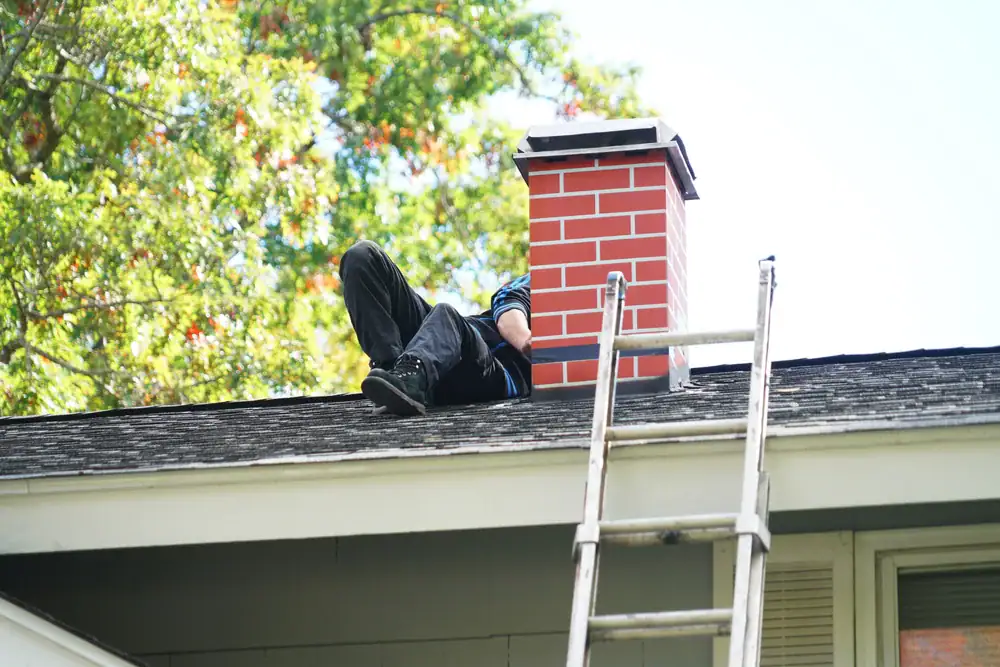
First, we inspect the entire chimney structure—not just the visible parts. We’re looking at the flue, the liner, the crown, the flashing, and the masonry from top to bottom. You get a clear assessment of what needs replacing and why.
If you move forward, we remove the damaged components. That might mean taking down the chimney stack above the roofline, pulling out the old clay tile liner, or cutting out corroded flashing. We protect your roof and interior during the teardown so you’re not dealing with water damage or debris everywhere.
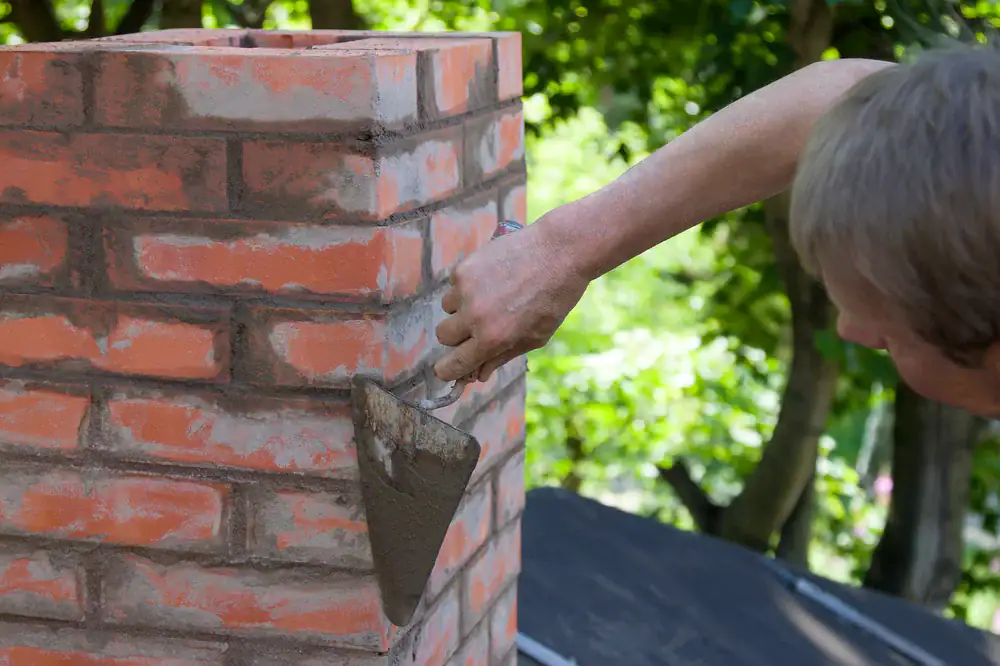
Then we rebuild with materials designed for coastal environments. Marine-grade stainless steel for the liner and cap. Copper or high-grade aluminum for flashing. Mortar mixes that resist salt penetration. Every component gets chosen based on how it performs in Bay Shore’s specific climate.
The new chimney gets sealed, waterproofed, and tested before we’re done. You’re not guessing if it works—you know it does because we’ve verified the draft, checked for leaks, and made sure everything meets local building codes.
The whole process usually takes a few days depending on the extent of the replacement. You get a chimney that handles Long Island weather without falling apart every few years.

Ready to get started?
A complete chimney replacement covers every component that keeps your chimney safe and functional. That includes chimney liner replacement with marine-grade stainless steel that won’t corrode in salt air. It includes chimney cap replacement with materials that resist rust and keep water, animals, and debris out of your flue.
Chimney flashing replacement is critical in Bay Shore because that’s where most leaks start. We use copper or marine-grade aluminum that seals tight against your roof and doesn’t deteriorate when storms hit. Chimney stack replacement rebuilds the visible structure above your roofline with masonry or materials that won’t crack under freeze-thaw cycles.
If your chimney flue is damaged—cracked tiles, gaps in the liner, or structural issues—chimney flue replacement fixes that before it becomes a carbon monoxide hazard or fire risk. Bay Shore’s coastal humidity accelerates deterioration in old clay tile systems, so upgrading to a modern stainless steel liner improves safety and efficiency.
You’re not paying for patchwork. You’re getting a complete system designed to last in Long Island’s harsh coastal environment. Every component works together to keep your home safe, dry, and protected from the weather conditions that destroy standard chimneys in a fraction of their expected lifespan.

Complete chimney replacement in Bay Shore typically runs between $10,000 and $15,000 depending on the size of your chimney, how accessible it is, and what needs replacing. That’s higher than the national average because Long Island has higher labor costs and stricter building codes.
If you only need partial replacement—like a new liner and cap—you’re looking at the lower end of that range. Full structural replacement with a new stack, flashing, and liner system pushes toward the higher end. The cost also depends on the materials you choose, though we don’t recommend cutting corners with standard-grade materials in a coastal environment where they’ll fail quickly.
You’ll get a clear estimate before any work starts. No surprises, no hidden fees. Just an upfront number based on what your chimney actually needs.
A chimney built with marine-grade materials lasts 15 to 25 years in Bay Shore when installed correctly. That’s realistic for our coastal environment where salt air, storms, and freeze-thaw cycles accelerate wear on every outdoor structure.
Standard materials fail much faster here. Regular stainless steel caps rust out in 2 to 3 years. Clay tile liners crack within a decade. Mortar joints deteriorate in 15 years instead of the 25 to 30 you’d see inland. The coastal humidity and salt penetration compress the lifespan of anything not specifically designed to resist corrosion.
Marine-grade stainless steel, copper flashing, and proper waterproofing extend that lifespan significantly. You’re not replacing components every few years. You’re getting a chimney that holds up to Long Island weather without constant maintenance.
If you’re seeing large cracks in the masonry, leaning or tilting in the chimney stack, or water damage inside your home near the chimney, you’re likely past the point where repairs make sense. Those are structural issues that indicate the chimney is failing from the inside out.
Repeated repairs are another sign. If you’ve patched the same problems multiple times and they keep coming back, the underlying structure is compromised. You’re spending money on temporary fixes instead of solving the real problem.
Visible rust on the chimney cap, gaps in the flashing, or crumbling mortar that’s widespread across the chimney also point toward replacement. In Bay Shore’s coastal climate, once deterioration reaches a certain point, trying to repair it is like putting a band-aid on a broken bone. The smart move is replacing it with materials that won’t fail again in a few years.
Bay Shore sits right on Long Island’s south shore, which means your chimney is constantly exposed to salt-laden air from the Atlantic. That salt doesn’t just sit on the surface—it penetrates masonry and corrodes metal from the inside. Metal structures in coastal environments corrode 5 to 10 times faster than inland.
The freeze-thaw cycles make it worse. Water gets into small cracks, freezes during winter, expands, and makes those cracks bigger. Over years, that cycle breaks down even solid masonry. Add in the coastal storms and heavy snow Suffolk County gets, and you’re putting stress on your chimney that most other areas don’t deal with.
Mortar that lasts 30 years in a dry climate lasts 15 to 20 here. Standard metal components rust out in a fraction of their expected lifespan. It’s not that chimneys are built poorly—it’s that Bay Shore’s environment is uniquely harsh on structures that aren’t designed specifically for coastal conditions.
If the chimney structure itself is sound—no major cracks, no leaning, no water damage—then yes, chimney liner replacement might be all you need. A new marine-grade stainless steel liner improves safety, efficiency, and protects the chimney from further deterioration caused by combustion byproducts.
But if the masonry is compromised, the flashing is failing, or the cap is rusted through, replacing just the liner won’t solve those problems. You’ll still have water intrusion, structural issues, and components that continue to deteriorate. In that case, you’re better off doing a complete replacement so everything works together.
We assess the entire chimney before recommending a solution. If a liner replacement is enough, we’ll tell you. If you need more, we’ll explain why and show you what’s failing. You make the decision based on clear information, not a sales pitch.
Yes. Standard materials don’t hold up in Bay Shore’s coastal environment, so we use marine-grade components designed specifically to resist salt air corrosion. That means 254SMO or 316L stainless steel for chimney liners and caps—grades with high levels of chromium, molybdenum, and nickel that resist rust even in harsh coastal conditions.
For flashing, we use copper or marine-grade aluminum instead of standard galvanized steel that corrodes quickly near the ocean. The mortar mixes we use are formulated to resist salt penetration and freeze-thaw damage better than standard mixes.
These materials cost more upfront, but they last 15 to 25 years instead of failing in 2 to 5. You’re not replacing your chimney cap every few years or dealing with a rusted-out liner that’s leaking carbon monoxide into your home. You get a chimney built to handle Long Island’s weather without constant repairs.
Other Services we provide in Bay Shore